
Voigtländer 27mm f/2 Ultron - Too good for it’s own sake
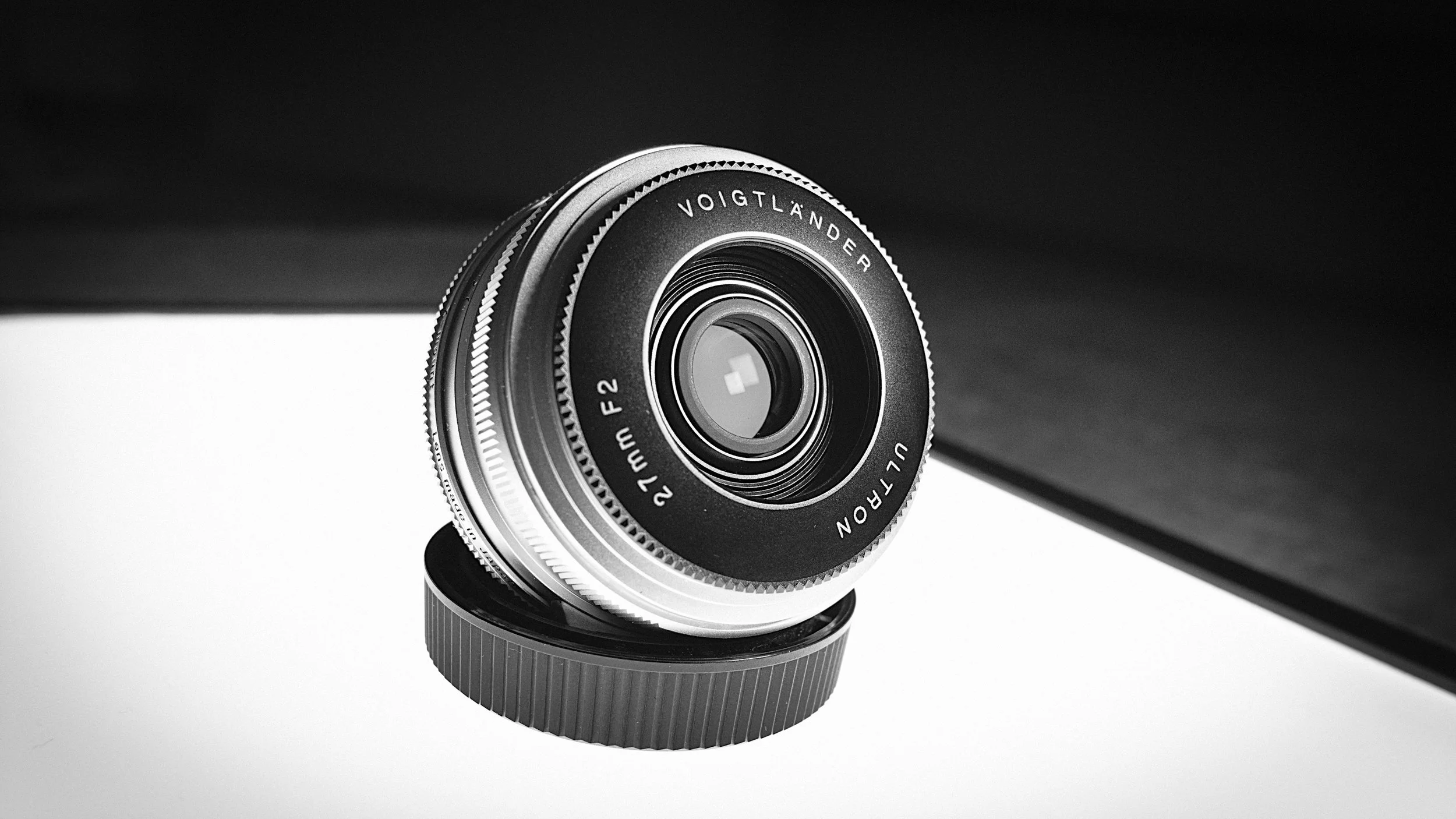
This is a lens I had wanted for quite some time, ever since I first started shooting Fujifilm, back in mid 2023. I had it in my window-shopping basket several times, while never actually going ahead with the purchase, which proved to be the smart choice, even if I didn't know it back then.
There are two things that have always attracted me to this lens. One of which is the very fact that it's a manual lens, since I've always enjoyed shooting manual lenses more than I do auto-focus. Actually I only keep a kit of the latter for very utilitarian reasons, while my heart is and always has been with manual focus glass, however this is a subject I should probably get deeper into at another time. The second reason I always wanted the Ultron 2/27 is because it's a Voigtländer and their lenses are some, if not the best made and best looking lenses I have ever seen.
I had the Voigtländer 27mm f/2 Ultron on loan for a few weeks from Tudor Mateescu, a fellow youtuber, and I'm grateful for that, because I was able to try it out to my heart's content without spending a dime. So I did.
However, sadly enough, it was what's most important about a lens, the very image quality that made me not want to buy this lens for myself. Let me explain.
If you'd rather take this all in in video form, please watch my review here.
A bit of history
The Voigtländer 27mm f/2 Ultron is an X-mount exclusive lens, unavailable elsewhere and designed specifically for Fujifilm APS-C cameras.
Worth mentioning for the trivia alone, because for most intents and purposes it is neither here, nor there, but this lens is not actually made by Voigtländer. In fact, Voigtländer had officially stopped producing lenses in-house by 1972. During 1972 to 1982, what is otherwise called the Rollei Era, after the Voigtländer factory closed, the rights to the name and the remaining optical designs were sold to Rollei. During this time, Voigtländer lenses were often produced in Rollei’s factories, notably in Singapore or Germany. When Rollei went bankrupt in 1981, the name began a long journey through various holding companies and retail groups, like Plusfoto and Ringfoto, where it was used mostly for "re-badged" products.
Come 1999, Cosina’s president, Hirofumi Kobayashi, licensed the brand name and thus marked the start to what is referred to as “the Cosina revival”, because ever since then, all Voigtländer lenses have been made by Cosina, in Japan.
Look and feel, form and function
The Cosina-made Voigtländer 27mm f/2 Ultron is remarkably well built and equally pretty, rather unsurprisingly so. Voigtländer lenses have a well deserved reputation of being solidly built and good looking. This one is no different, and in fact, it's one of the things that attracted me to the Ultron in the first place. I'm a sucker for a pretty lens, especially so if it's small and compact, built mostly, if not entirely out of metal and glass which is definetely the case here. There may be some plastic in the innards, but the barrel is undoubtedly metal. The lens is very thin, not much thicker than a pack of cards, light and hefty at the same time. Weighing in at merely 120 grams, it still feels substantial, thick and dense. Tolerances are at their minimum, the lens feels sturdy and durable, while giving off the impression of a decidedly rich and luxurious item. It looks and feel almost like a jewel, or an opulent heirloom.
The Voigtländer 27mm f/2 Ultron features two control elements on the lens, both of which are generously thick rings, with good texture allowing for easy grip and precise control. The focus ring turns smoothly, with just the right amount of resistance and travels for about 110-120° from minimum focus to infinity. I quite like this and I'm certain this was a deliberate design decision to use such a relatively short focus throw. It's very easy to use in fast-paced scenarios, like on the street, especially so since there is also a focus tab present. While I would have preferred a crescent-moon type focusing tab, like that on the Nokton 40mm f/1.4, this one also works quite well. I've seen complaints online about how the focus throw is designed, because there's hardly anything, not more than a couple of millimeters of travel between 3m and ∞ and in theory this should make manual focus difficult for subjects at anything over three meters, but in practices I have't found this to be an issue. I've shot this lens on the street extensively and I've done just fine, although, I have admittedly had more practice with manual focus than most people, so I guess your mileage may vary, but I have had zero issues in this regard and frankly I was never aware this could even be an issue before reading about it online.
The aperture ring clicks at every third of a stop, but if you ask me they could have been a littler firmer and frankly, I think full-stop clicks are just fine, I don't find that level of granularity particularly useful. The aperture range is f/2 to f/22 and the iris is formed out of 10 perfectly straight aperture blades.
The Voigtländer 27mm f/2 Ultron comes with a very oddly designed lens hood, not much too speak of, basically just a lens-cap with a hole in it, a flat, dinky little metal thing that I doubt even does anything as far as keeping stray light out, but that's neither here, nor there, because the coatings alone do a fantastic job at that, for better, or worse, as we will see further down.
While 27mm as far as the actual optical construction, this 6 element/4 group design achieves a field of view of 53.7°, which is what a 40mm lens looks like on a full-frame sensor.
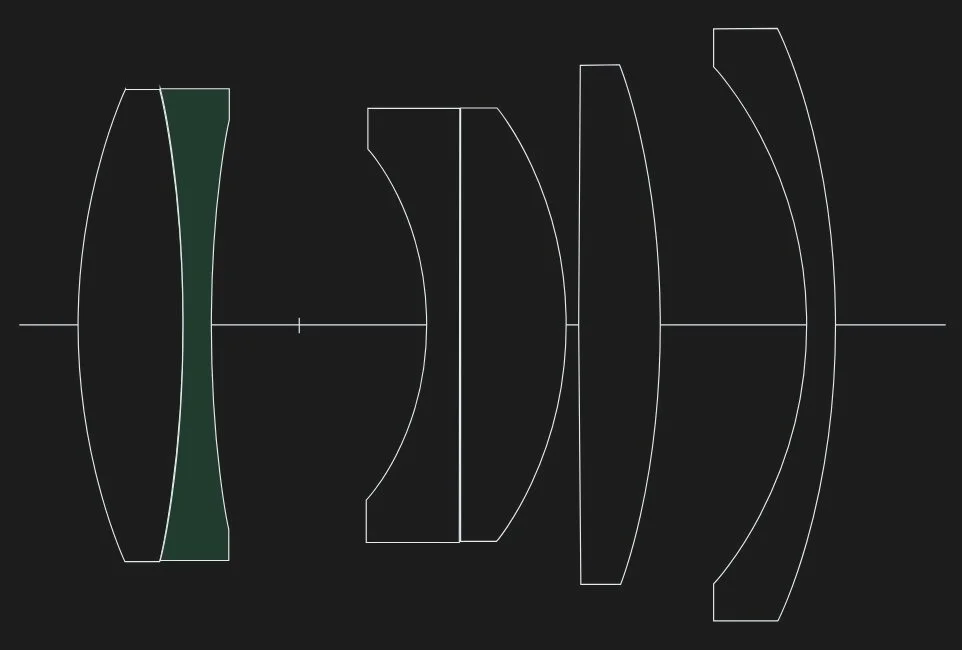
Image Quality
The Voigtländer 27mm f/2 Ultron makes good looking images. Even shot wide open the lens captures ample sharpness in the center of the frame with only slightly less sharper corners, but that is to be expected. It's ability to render good resolution and clean detail is frankly impressive. The somewhat softer corners at f/2 never get in the way of getting a good image, because I practically never have my subjects so far into the corners that that becomes and issue. Actually I use this creatively, like a detail vignette, to guide the viewer's attention to my subject.



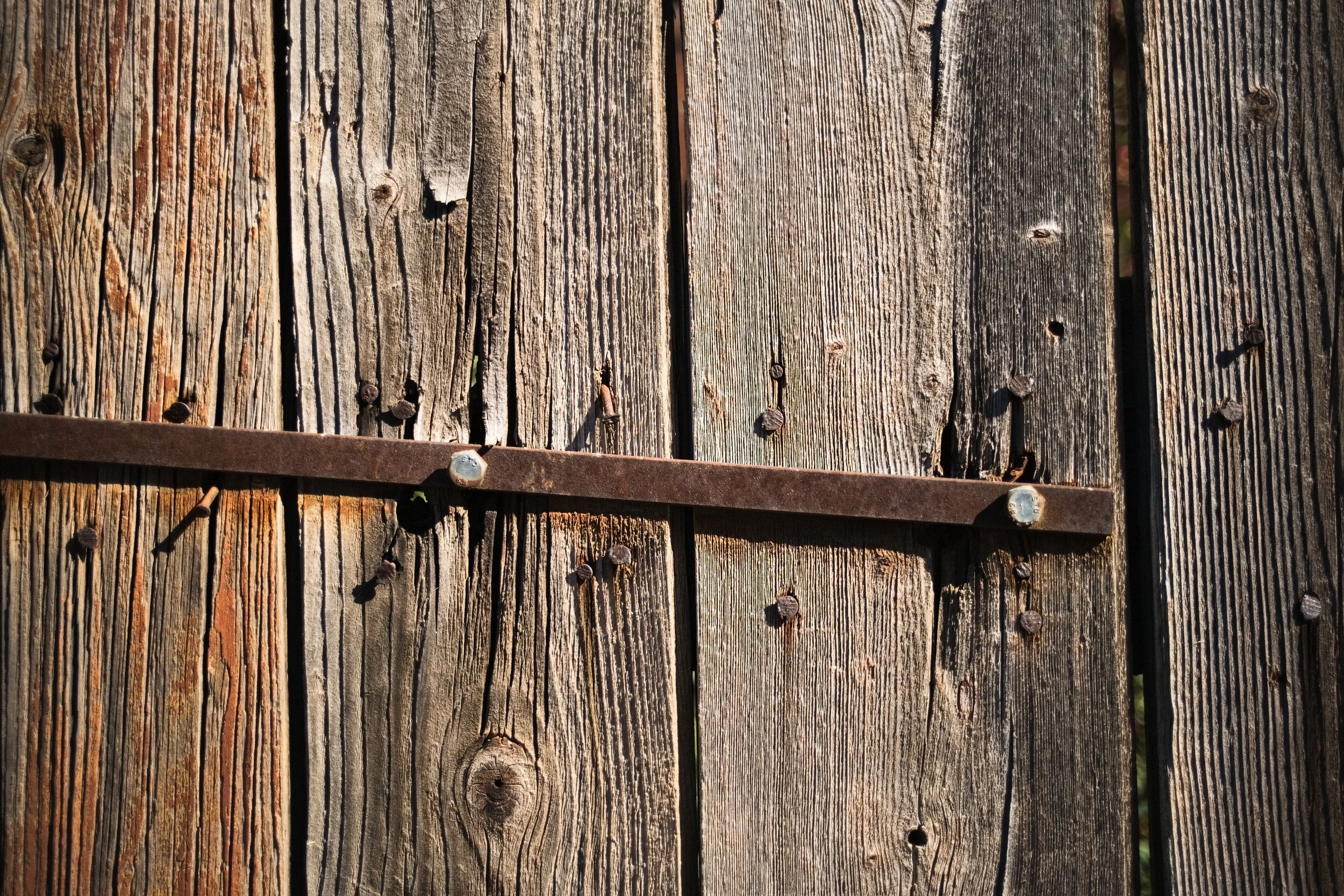




Colors are lively, playful and joyful, but the Voigtländer 27mm f/2 Ultron seems to have a softer touch in this regards. While pretty and vibrant, colors don't jump out and scream at you and they do benefit from a bit of extra saturation in post production if you shoot RAW. The lens makes images that look elegant and gentle with very good rendition as far as white balance goes. Shooting with auto white balance has always resulted in mostly neutral, correct images, but sometimes it does require a bit of manual correction, since it tends to lean towards colder tones.


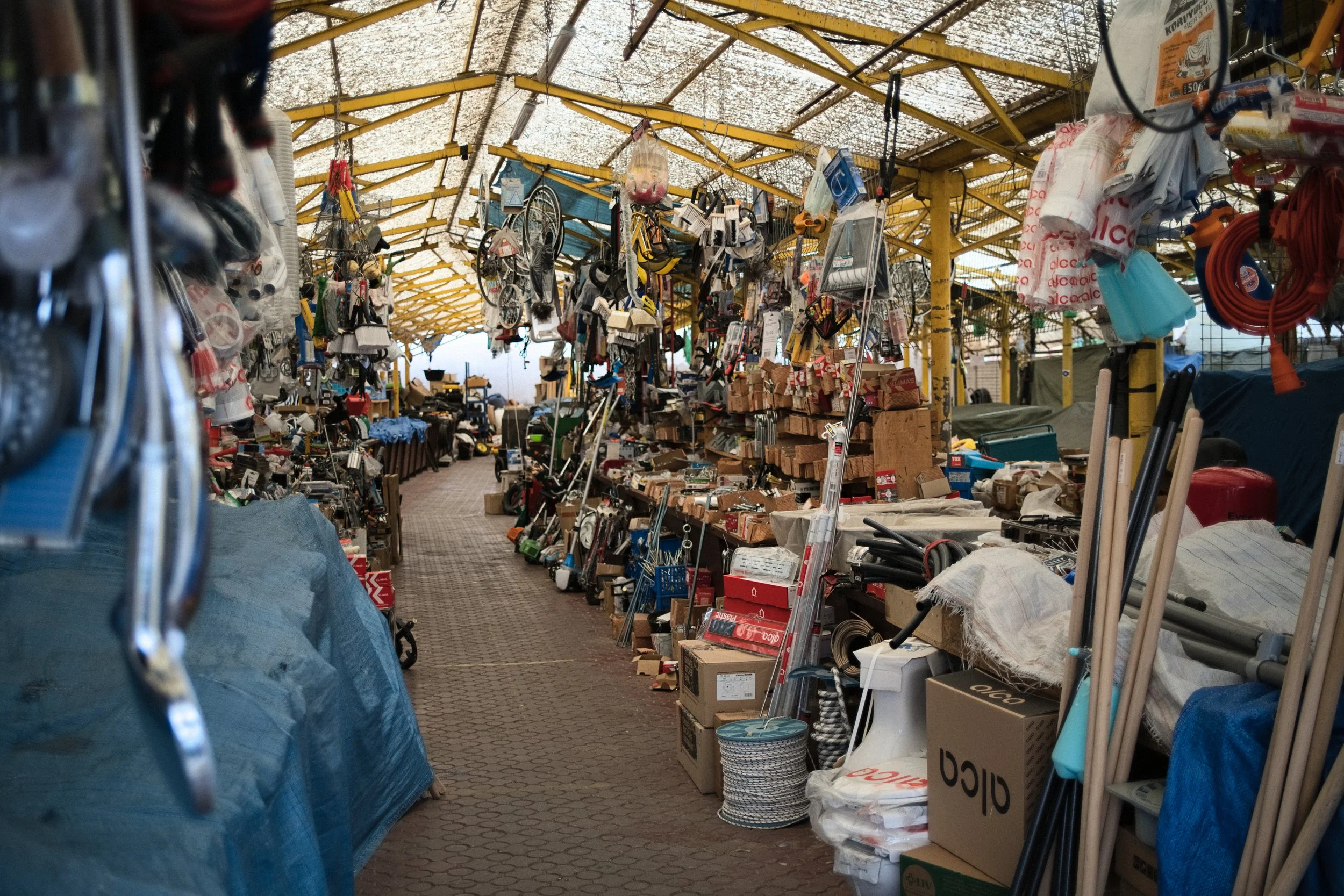
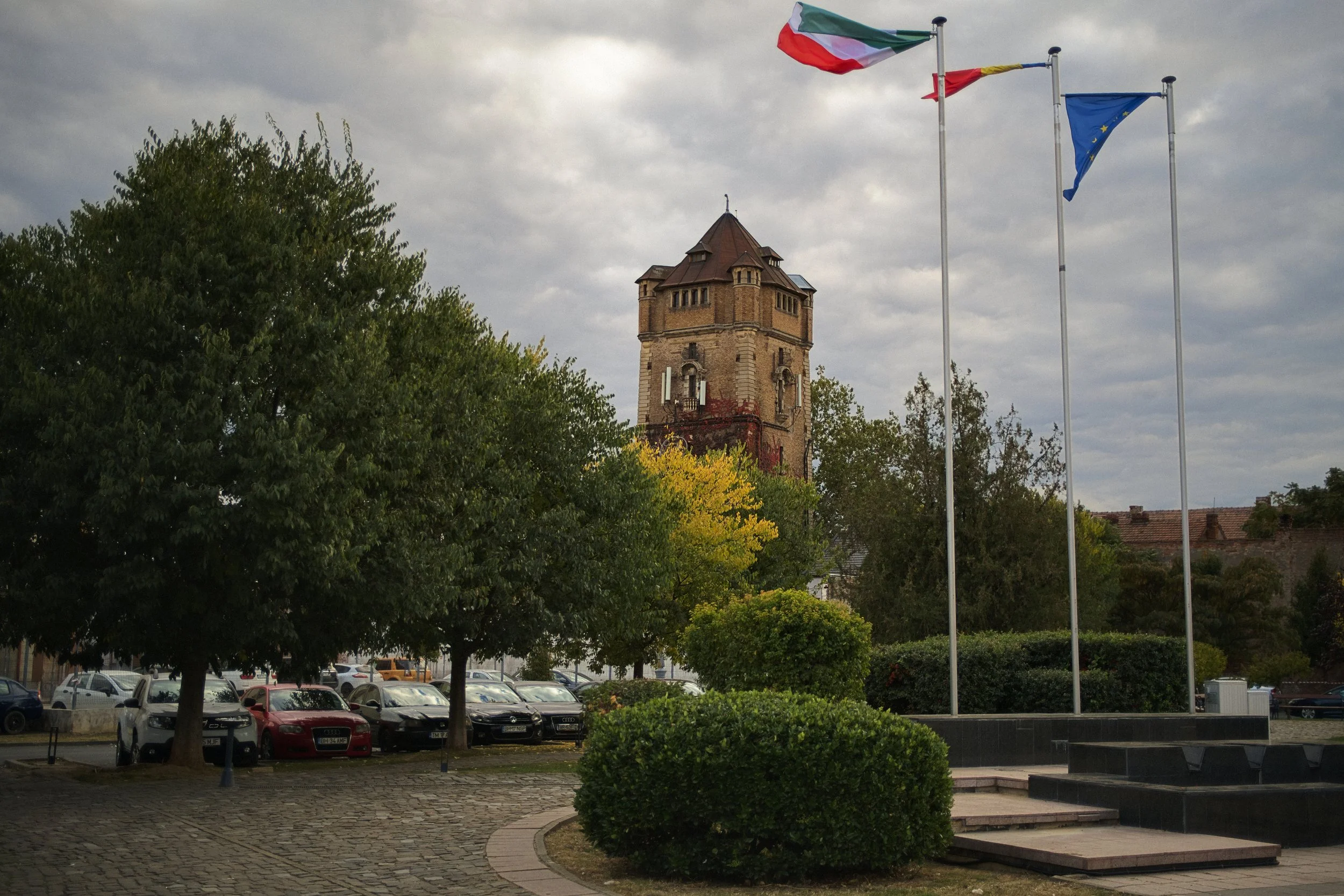

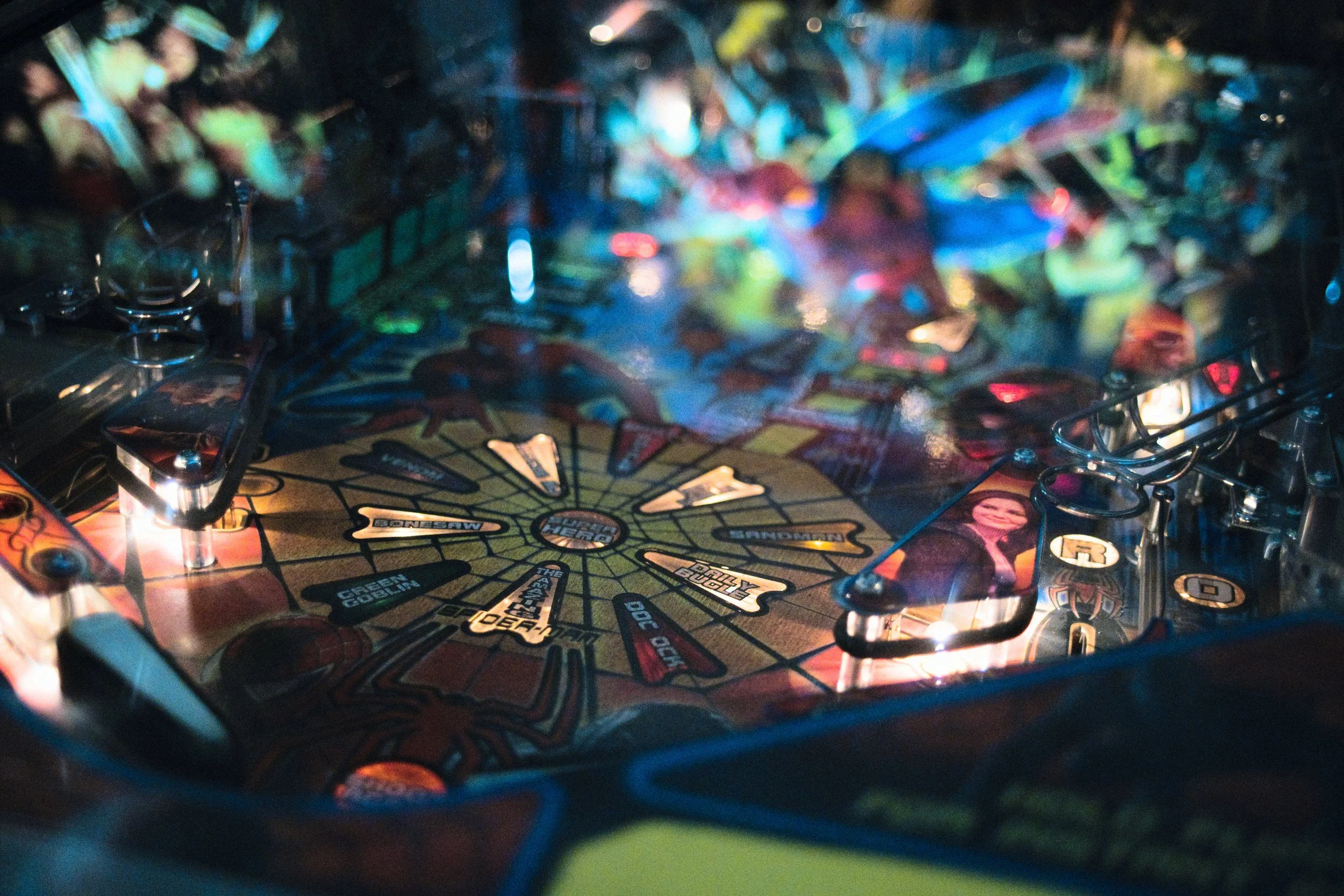
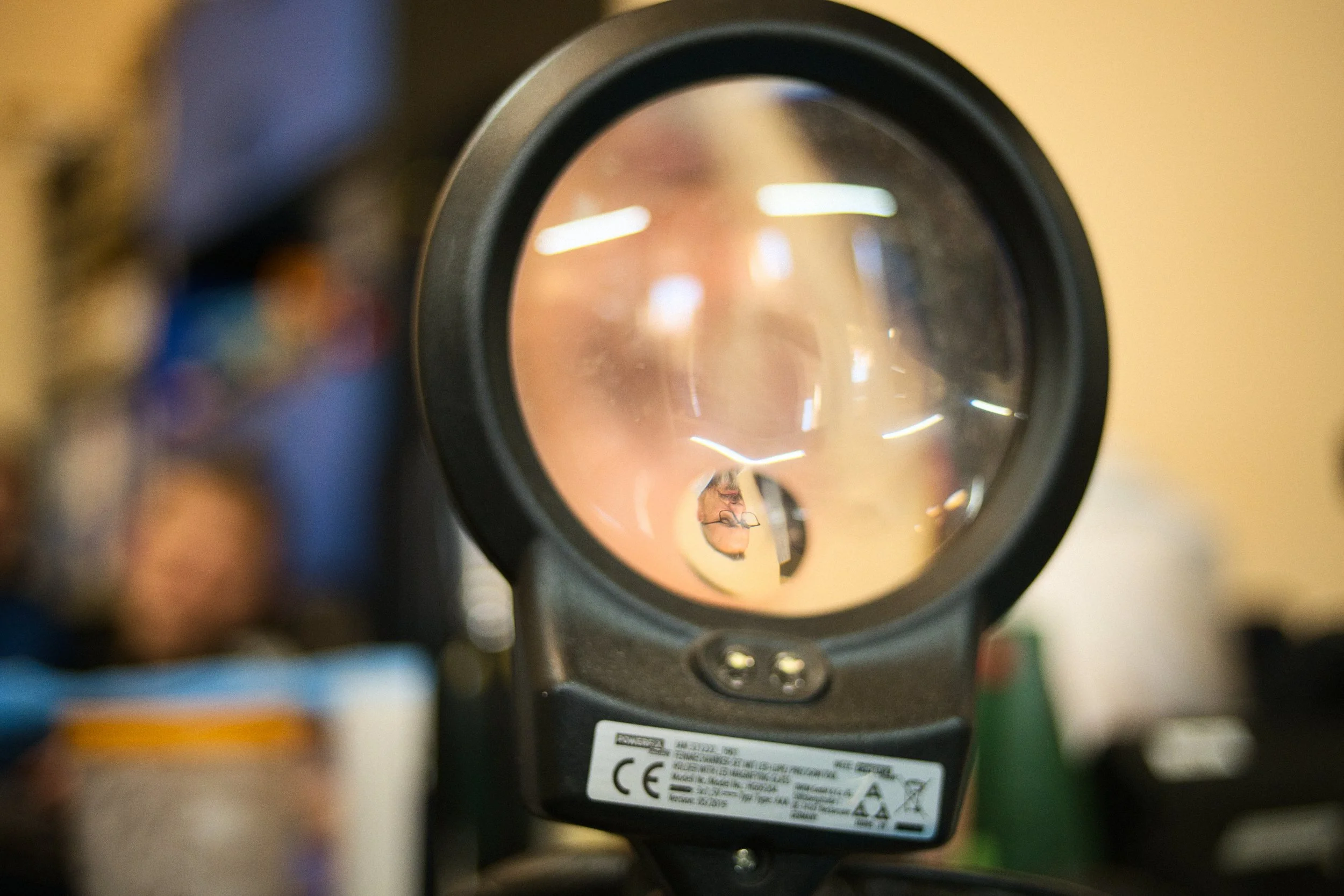

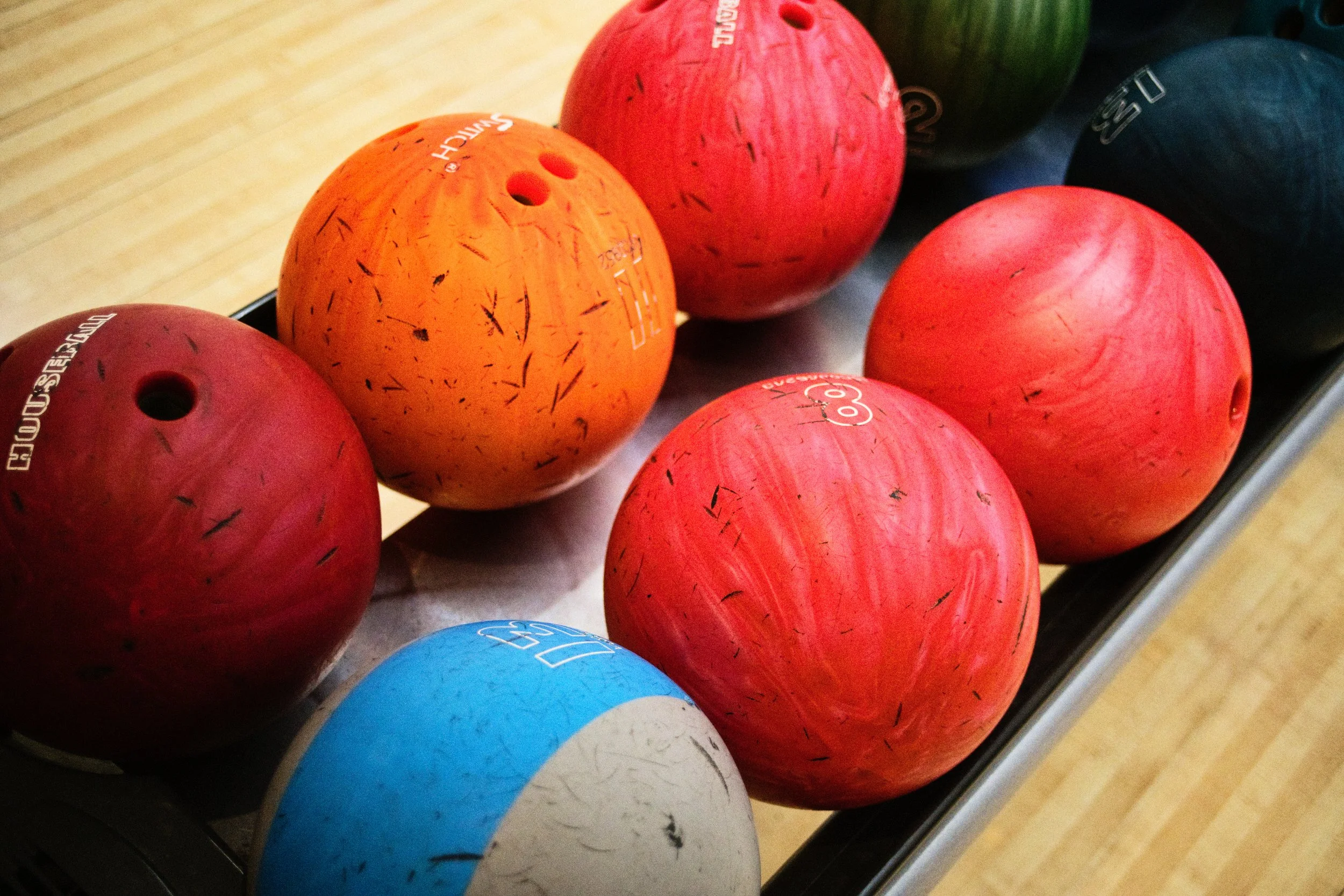
Contrast is great, with a good, natural spread of tones throughout the entire spectrum and as far as monochrome work, it's where this lens shines. Blacks are dark and deep, shadows remain detailed but not washed out, mid-tones are rich, with good body and presence, while highlights are bright and shiny with a nice, almost metallic sheen.







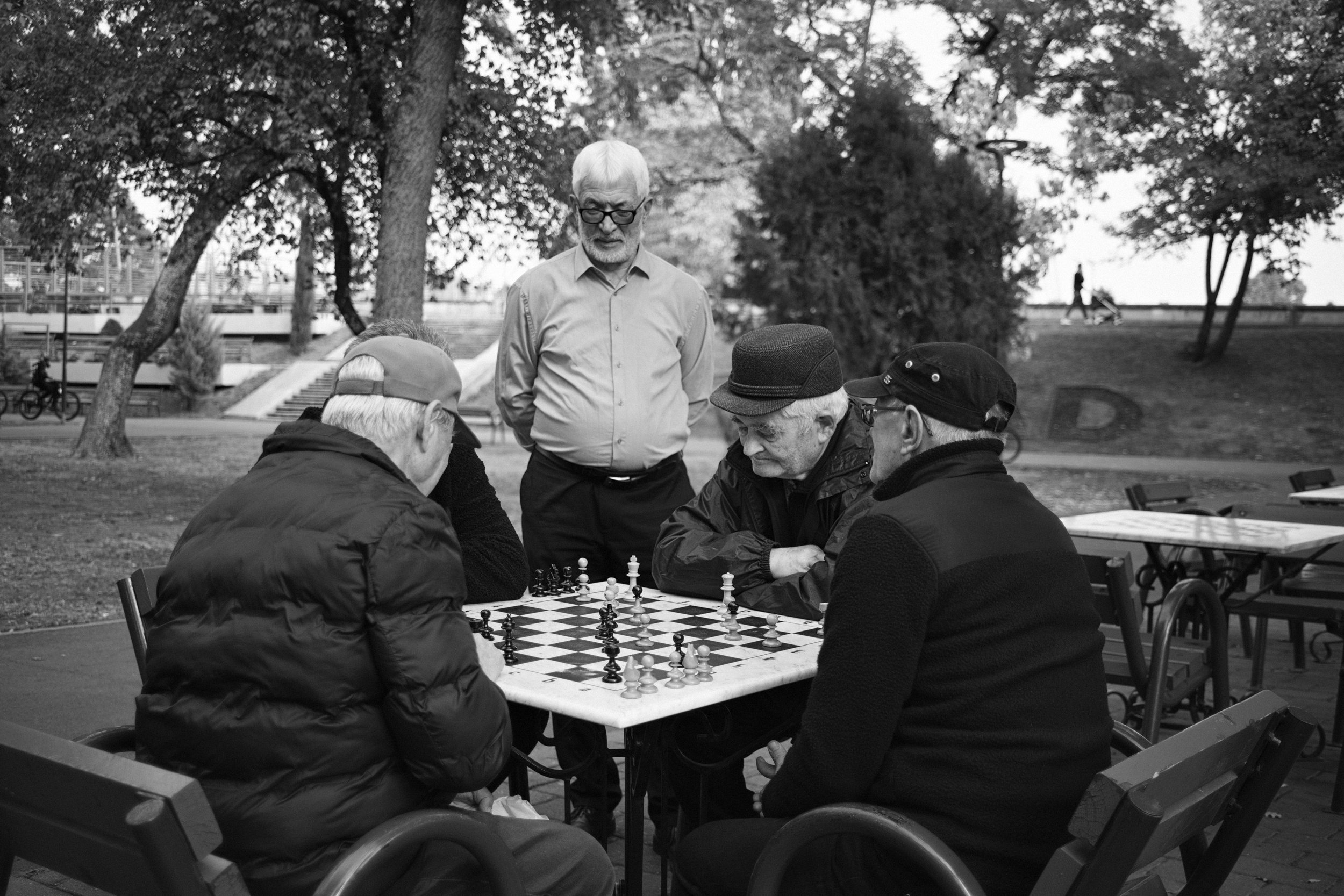






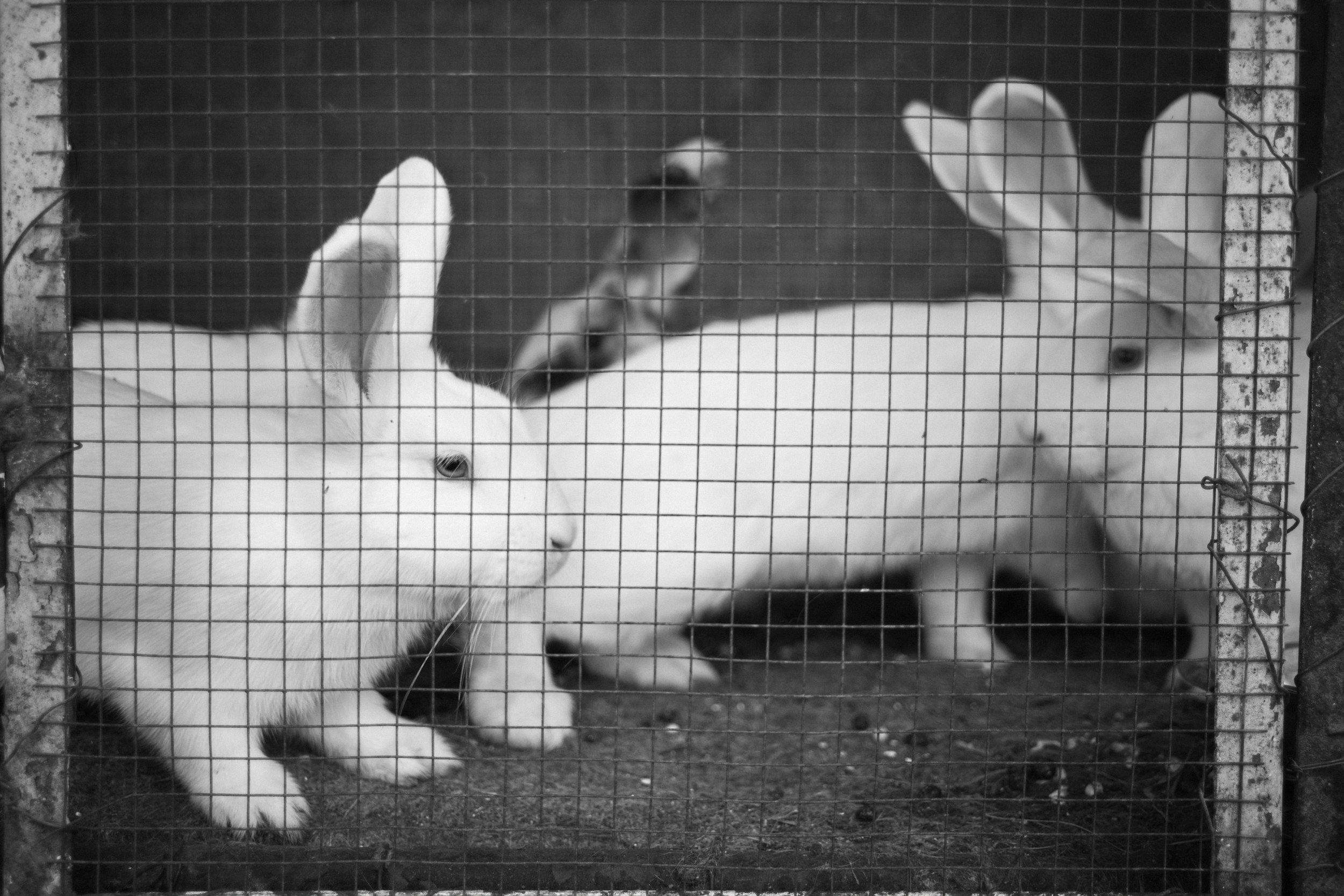
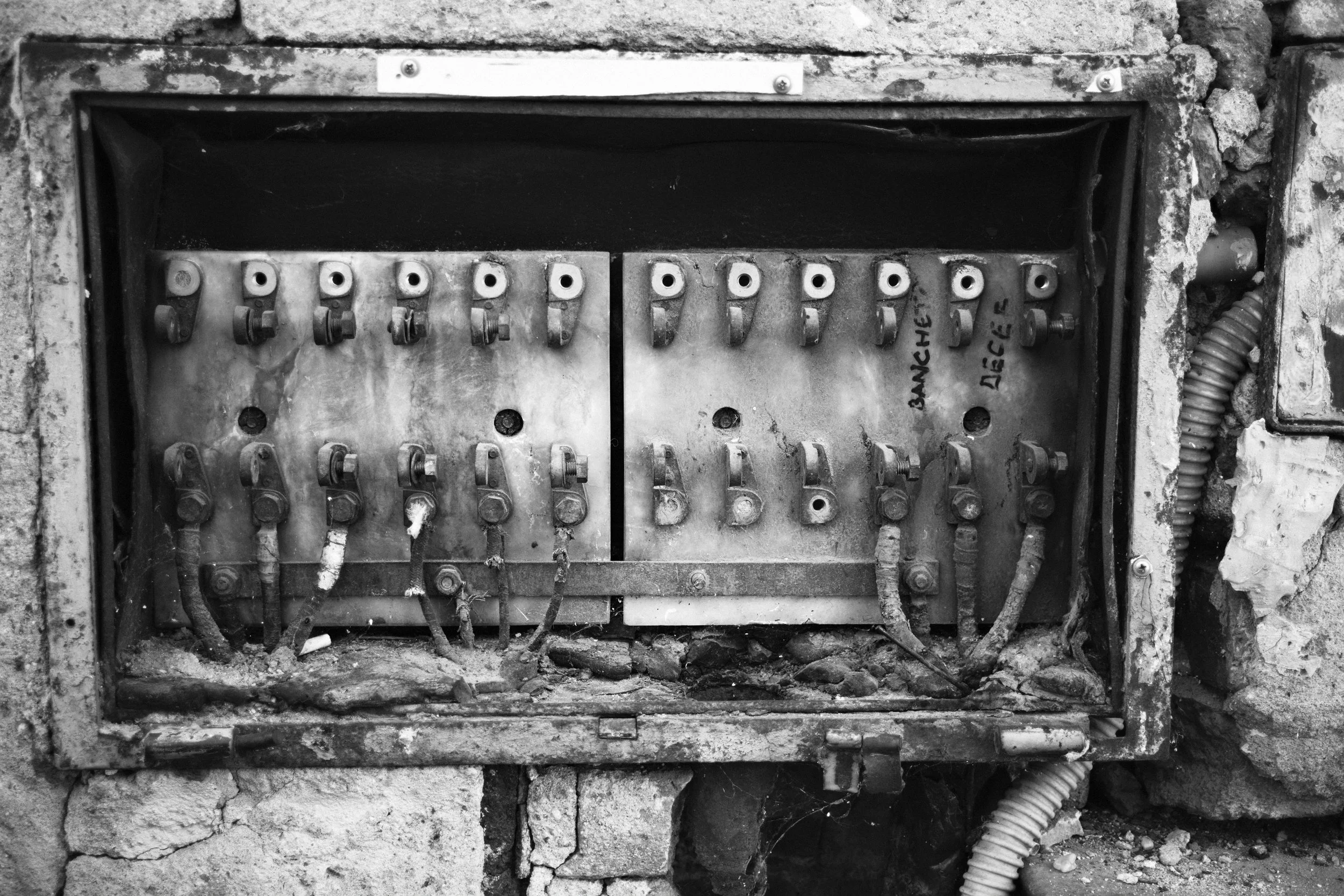
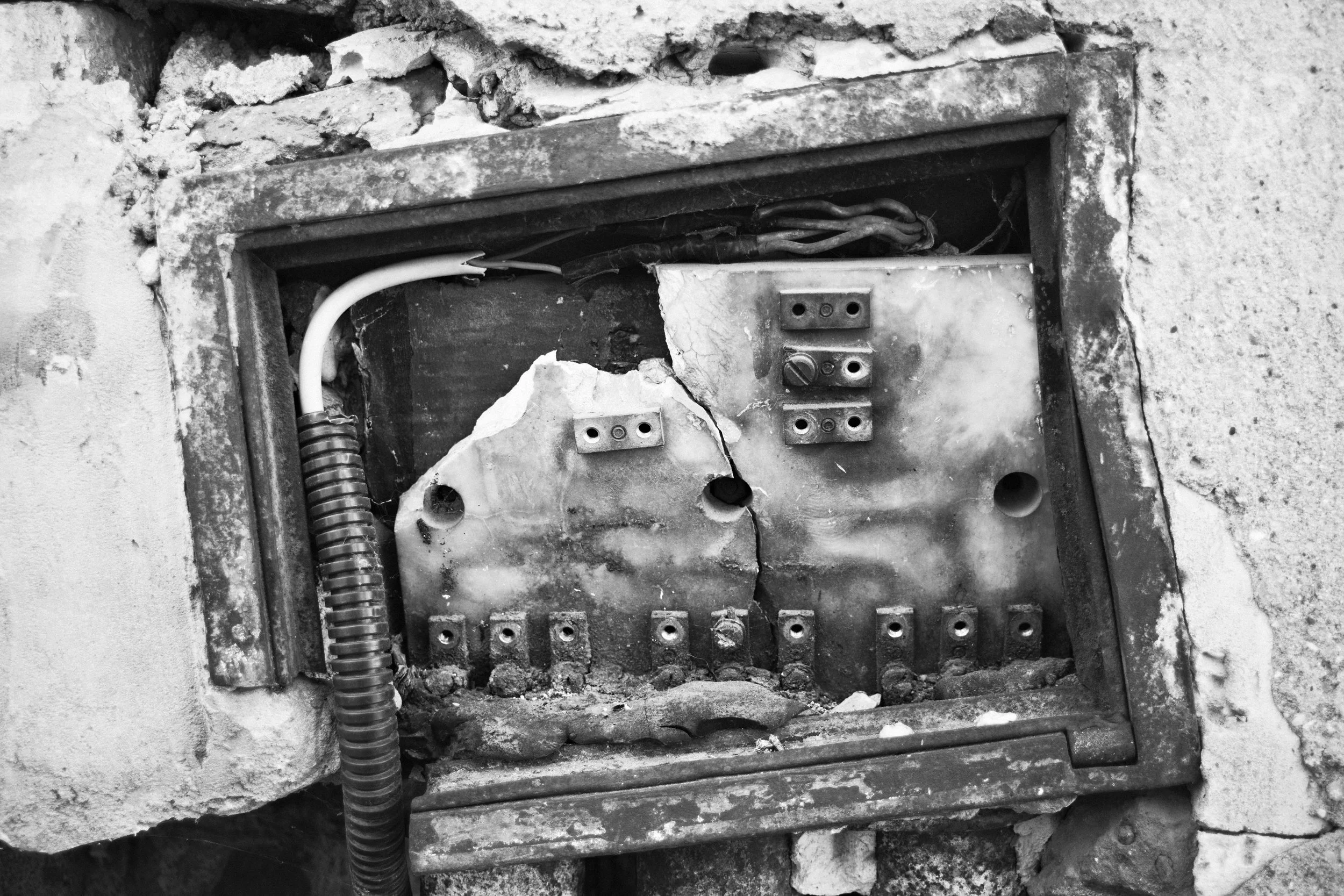
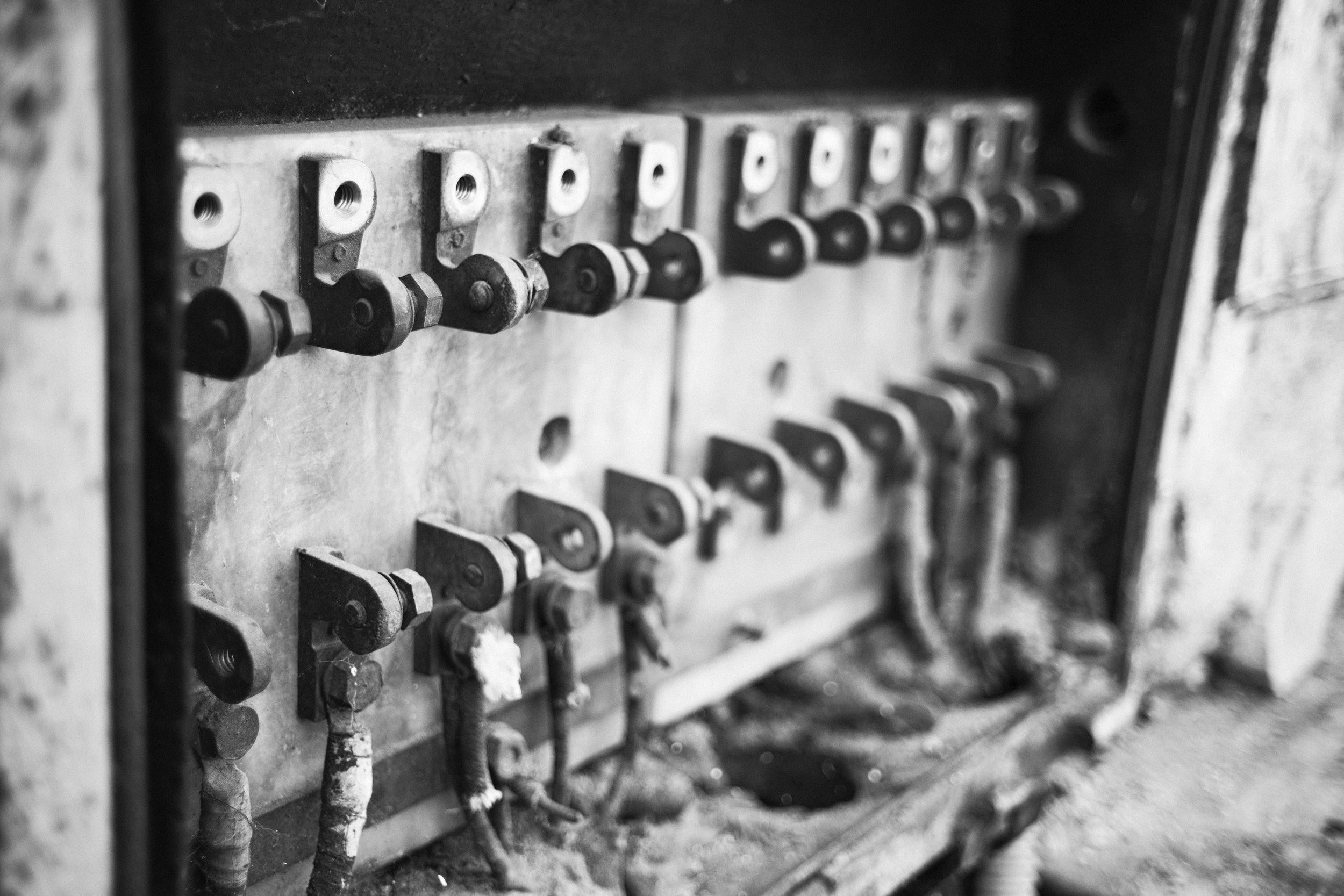
Shot wide open, the Voigtländer 27mm f/2 Ultron makes quite a hefty vignette, but it's uniform so fixing it in post is a trivial matter if you find it necessary, which I often don't, because I make use of it in my compositions.


Now as far as the coatings go, this is a case of the proverbial double-edged sword, in other words both a blessing and a curse. While on the one hand there is absolutely no fringing and chromatic aberration to speak of, no doubt thanks to great quality glass and good coatings, it is also the case that the Voigtländer 27mm f/2 Ultron is annoyingly and stubbornly unwilling to create any sort of flare that's worth speaking of. I understand most people might see this as a good thing, but in my book, especially seeing how I'm looking for character above else in this lens, this is a bit of a let-down. I've tried and tried and tried, but this lens is so well-behaved, so well-corrected when struck by light both dead-on and at an angle, that it's nigh on impossible to make it flare. Contrast loss is absolutely negligible, there is hardly any ghosting and little to no veiling. The Voigtländer 27mm f/2 Ultron's ability to stay out of trouble is remarkable... for better or for worse.






There is some very slight geometric distortion and just a tiny bit of halation.
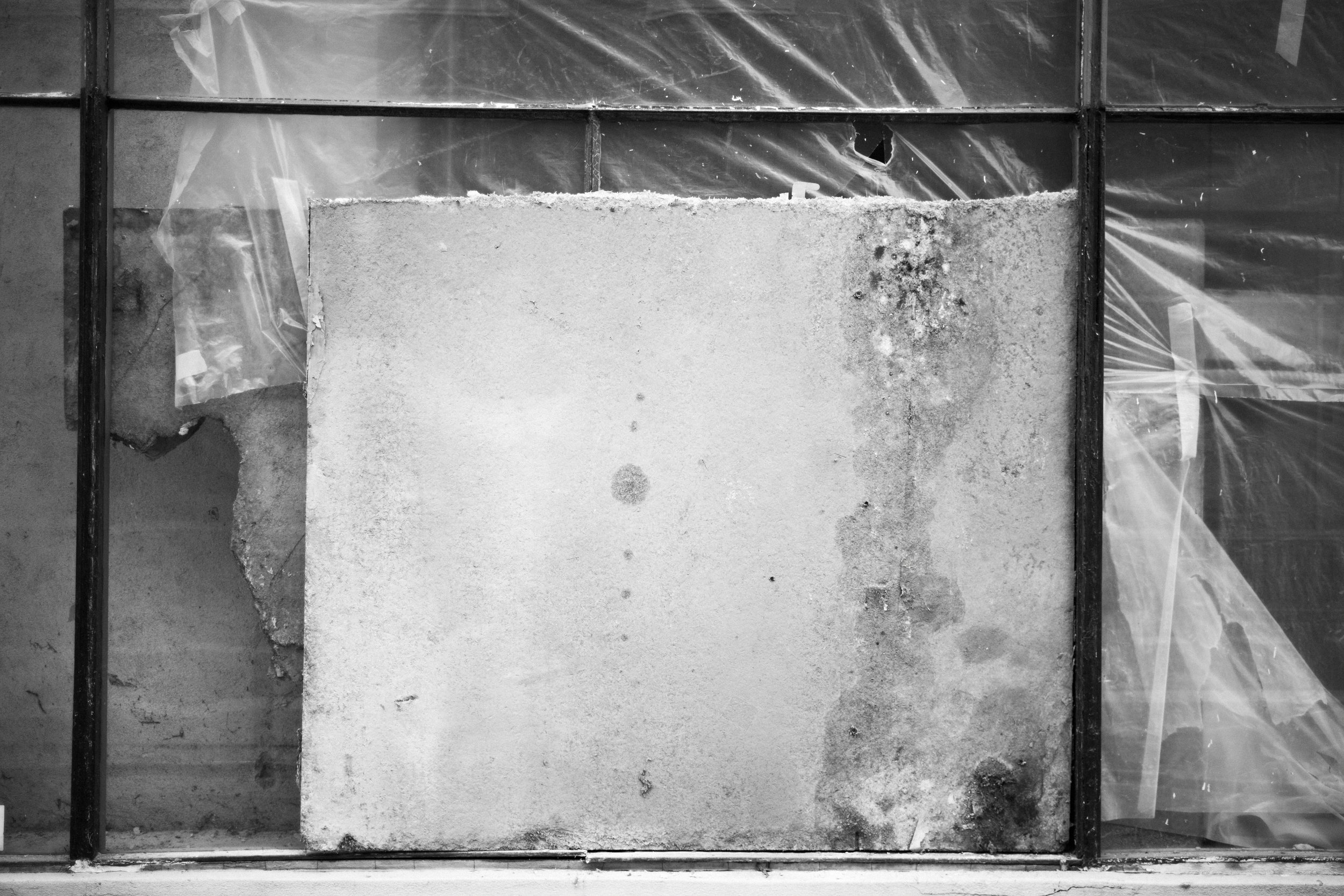

Surprisingly enough, seeing how this is basically a wide angle lens and not a particularly fast one at that, perhaps due to it's ability to focus quite close, the Voigtländer 27mm f/2 Ultron can make some very pretty bokeh. Background blur is pleasant enough, only slightly agitated and only in some situations, making for images with good depth and impressive subject separation.





Conclusion
The Ultron renders images with somewhat of a classical look. It is, I suspect, intentionally left slightly under-corrected optically, but for my taste it's not nearly enough to be called a character lens. To my eyes it plays it too safe, I feel like it's too tame and while not taking any risks, it also doesn't achieve much either. It’s just good in a see of other good lenses. It doesn’t stand out and it's doomed to be somewhere in no-man's land - neither clinical and modern enough, nor showing enough character and as far as I'm concerned that is it's biggest flaw and the reason why it has left me somewhat underwhelmed.
Funny thing to be let down by a lens because it's too good. Definitely a first world problem, but it is what it is.